UNESCO Chair Co-hosted an International Seminar on “Self-Learning at the Right Level, COVID-19 School Closure, and Noncognitive Abilities: Impact Assessment of Kumon Method of Learning in Dhaka, Bangladesh”
 unesco1
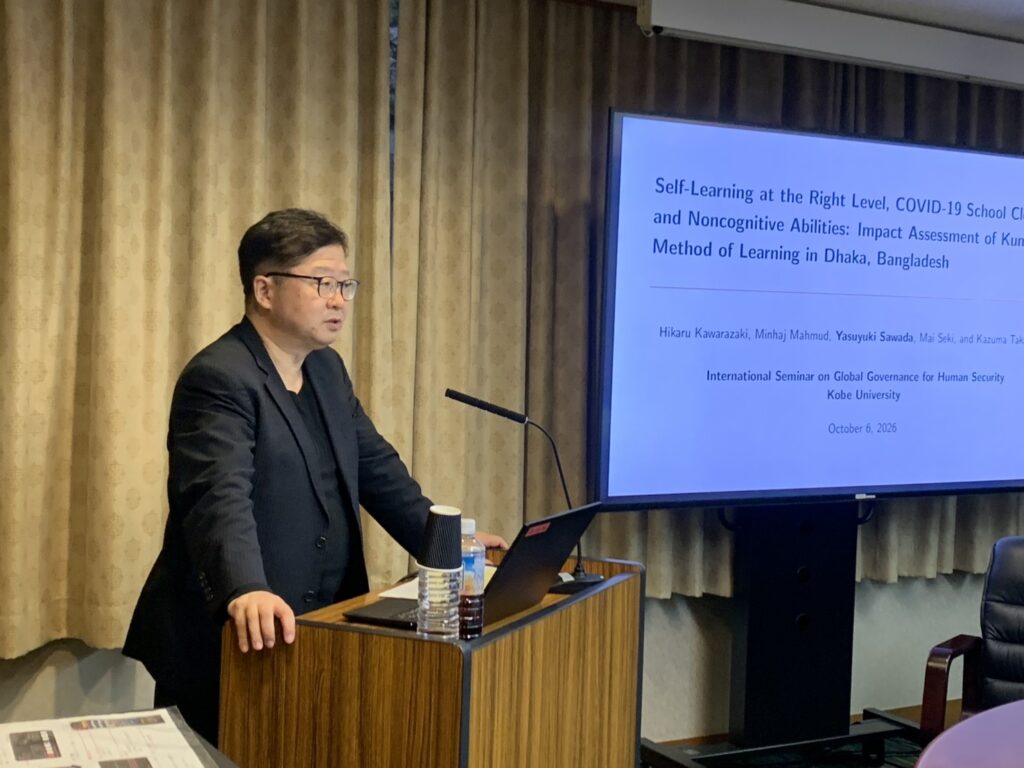
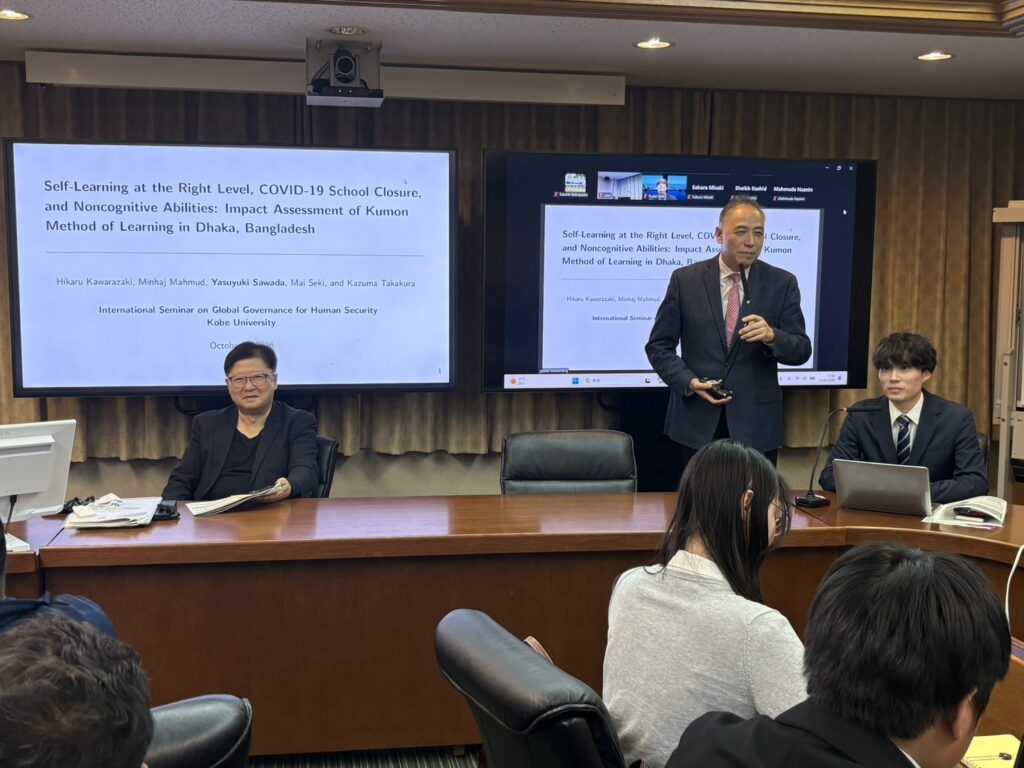
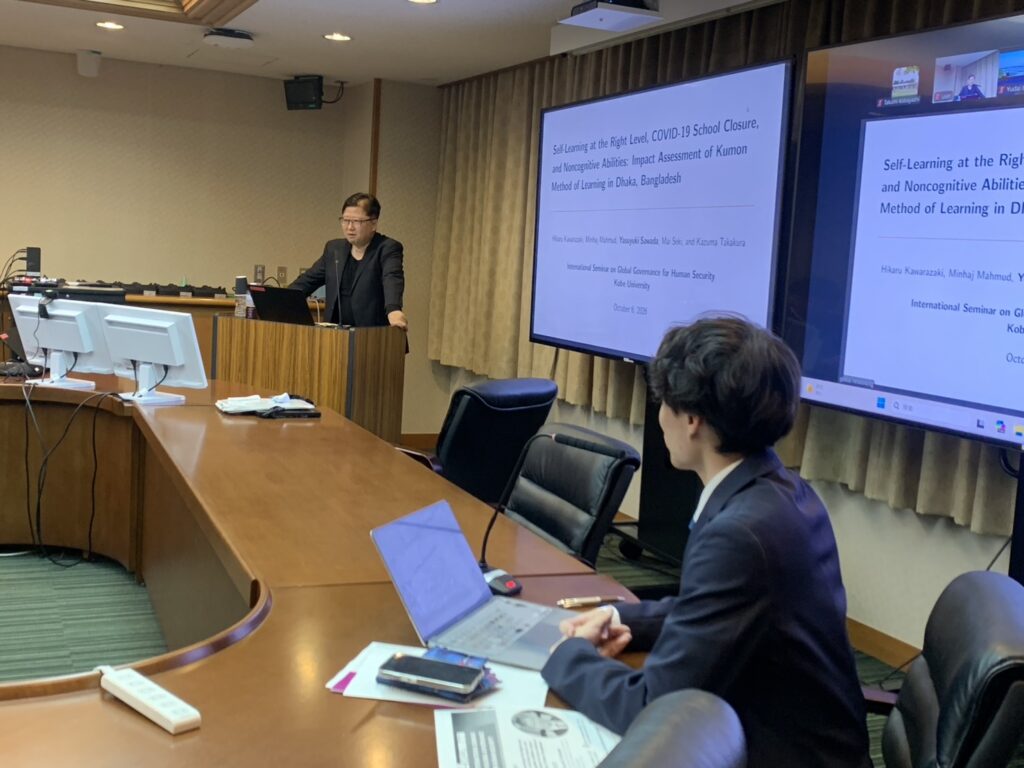
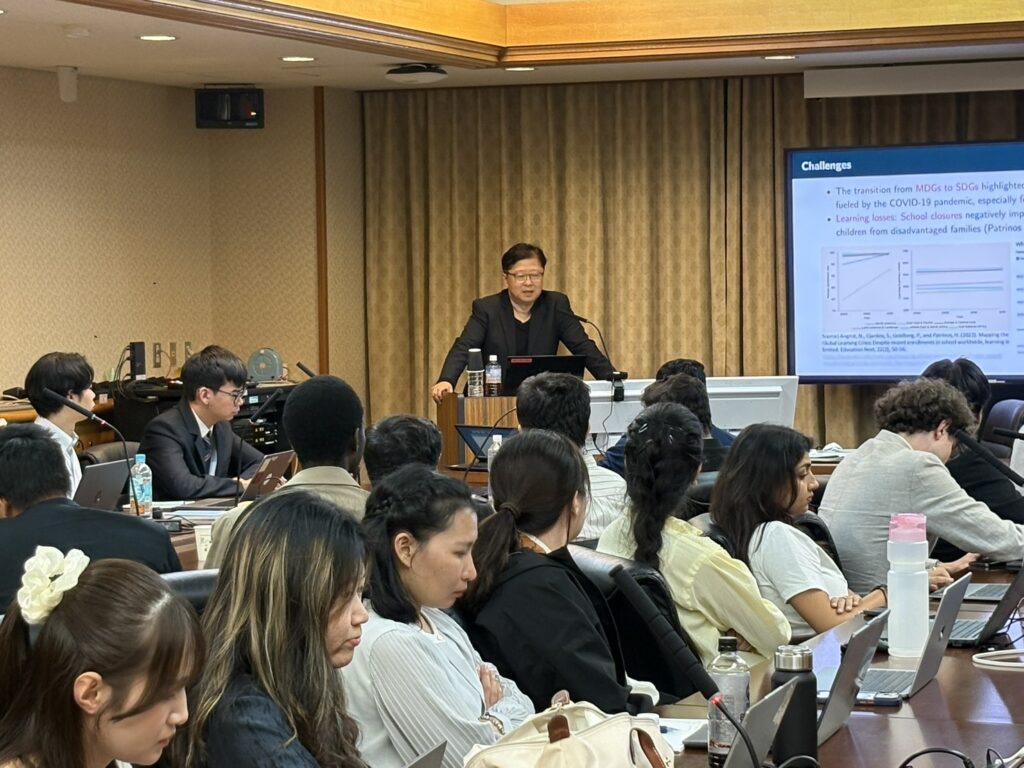
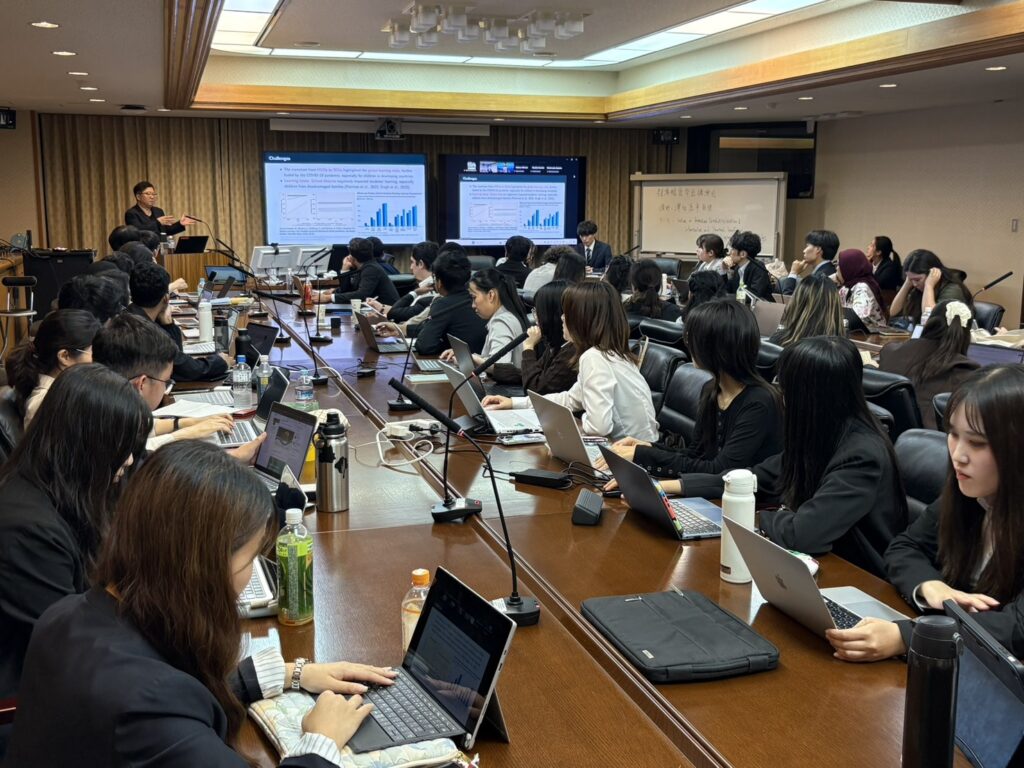
On October 6, 2026, the International Seminar on Global Governance for Human Security was held under the theme “Self-Learning at the Right Level, COVID-19 School Closure, and Noncognitive Abilities: Impact Assessment of Kumon Method of Learning in Dhaka, Bangladesh.” The seminar was co-organized by the Kobe University UNESCO Chair, the Global Research Center for Education Policy and Planning (GEPP), the Global Network Program, and the CAMPUS Asia Plus Program. It was conducted in a hybrid format in the Main Conference Room of the Graduate School of International Cooperation Studies (GSICS), Kobe University, and via Zoom.
The seminar featured Dr. Yasuyuki Sawada, professor at the Graduate School of Economics and director of the Center for Research and Education in Program Evaluation at the University of Tokyo. Against the backdrop of the learning crisis in developing countries and the challenges posed by COVID-19 school closures, he introduced the Kumon Method of Learning, which promotes individualized self-learning at a level appropriate to each student’s abilities. He then presented a randomized controlled trial (RCT) involving approximately 1,000 students at 34 BRAC primary schools in and around Dhaka, Bangladesh. Schools were randomly assigned to treatment and control groups, and the treatment schools introduced daily 30-minute Kumon sessions before regular classes for eight months to assess the effects on cognitive and noncognitive abilities.

The results showed short-term improvements in mathematics test scores and problem-solving speed, with evidence also suggesting improvements in self-esteem among students whose initial cognitive and noncognitive abilities were both low. Dr. Sawada also presented findings on the potential for competition among classmates based on worksheet completion speed to improve learning quality, as well as improvements in teachers’ ability to assess students’ performance accurately. A follow-up survey conducted approximately six years later, after an 18-month period of COVID-19 school closures, found no clear evidence of sustained improvements in mathematics performance or schooling status. However, the findings suggested that positive effects on noncognitive abilities, including self-esteem, remained. He also noted that substantial attrition in the follow-up survey required caution in interpreting the long-term findings.
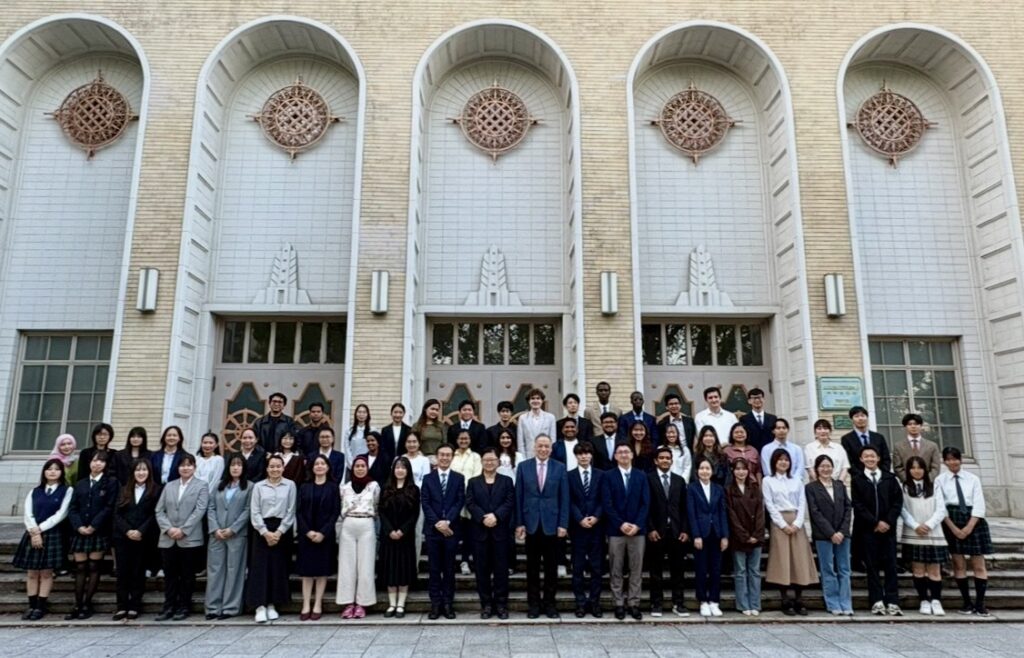
A total of 65 participants attended the seminar, with 35 attending in person and 30 joining online. The lecture highlighted the potential of self-learning at the right level to support improvements in learning quality as a supplement to regular schooling. The seminar provided a valuable opportunity to deepen participants’ understanding of the importance of assessing educational interventions in terms of both cognitive and noncognitive outcomes and examining their effects over the long term, taking into account disruptions to learning opportunities such as school closures.