
About UNESCO Chair
The Kobe University UNESCO Chair on Education for Gender, Disaster Resilience, and Well-being promotes education as a transformative tool for building inclusive, resilient, and sustainable societies. Launched in 2018, the Chair addresses the critical need to integrate gender equality, disaster risk reduction, and community well-being into education, research, and practice.
The Chair has developed through three phases. The first term focused on gender and vulnerability in disaster risk reduction support. The second term expanded this focus by incorporating well-being into disaster risk reduction support.
https://www.office.kobe-u.ac.jp/opge-kyodo-sankaku/project/unesco/1-2/index.html
The current third term, UNESCO Chair on Education for Gender, Disaster Resilience, and Well-being, further strengthens the role of education in promoting gender equality, disaster resilience, and community well-being.
| Term | Project Title | Duration |
| The 1st term | Gender and Vulnerability in Disaster Risk Reduction Support | April 2018 – February 2022 |
| The 2nd term | Gender, Vulnerability and Well-being in Disaster Risk Reduction Support | February 2022 – February 2026 |
| The 3rd term | UNESCO Chair on Education for Gender, Disaster Resilience, and Well-being | February 2026 – February 2030 |
The Chair is currently entering its third phase. In this renewed phase, it focuses on inclusive education as a means to advance gender equality, strengthen disaster resilience, and promote well-being. The third phase aims to connect global frameworks such as the Sustainable Development Goals (SDGs) and the Sendai Framework for Disaster Risk Reduction with local knowledge, community experience, and educational practice.
Through research, teaching, capacity building, and international collaboration, the Chair aims to strengthen disaster resilience while promoting gender equality and well-being, particularly among marginalized and vulnerable communities.
Mission and Focus
The mission of the Chair is to foster inclusive and gender-responsive approaches to disaster risk reduction through education. Its work is grounded in the idea that education can help individuals and communities understand risks, reduce vulnerabilities, and take collective action toward safer and more equitable futures.
The Chair focuses on three closely connected themes:
1. Gender Equality
Promoting gender-transformative approaches that recognize how disasters affect people differently depending on gender, social position, and access to resources.
2. Disaster Resilience
Strengthening preparedness, risk awareness, and community-based disaster risk reduction through formal and non-formal education.
3. Well-being
Supporting the dignity, safety, and well-being of individuals and communities before, during, and after disasters.
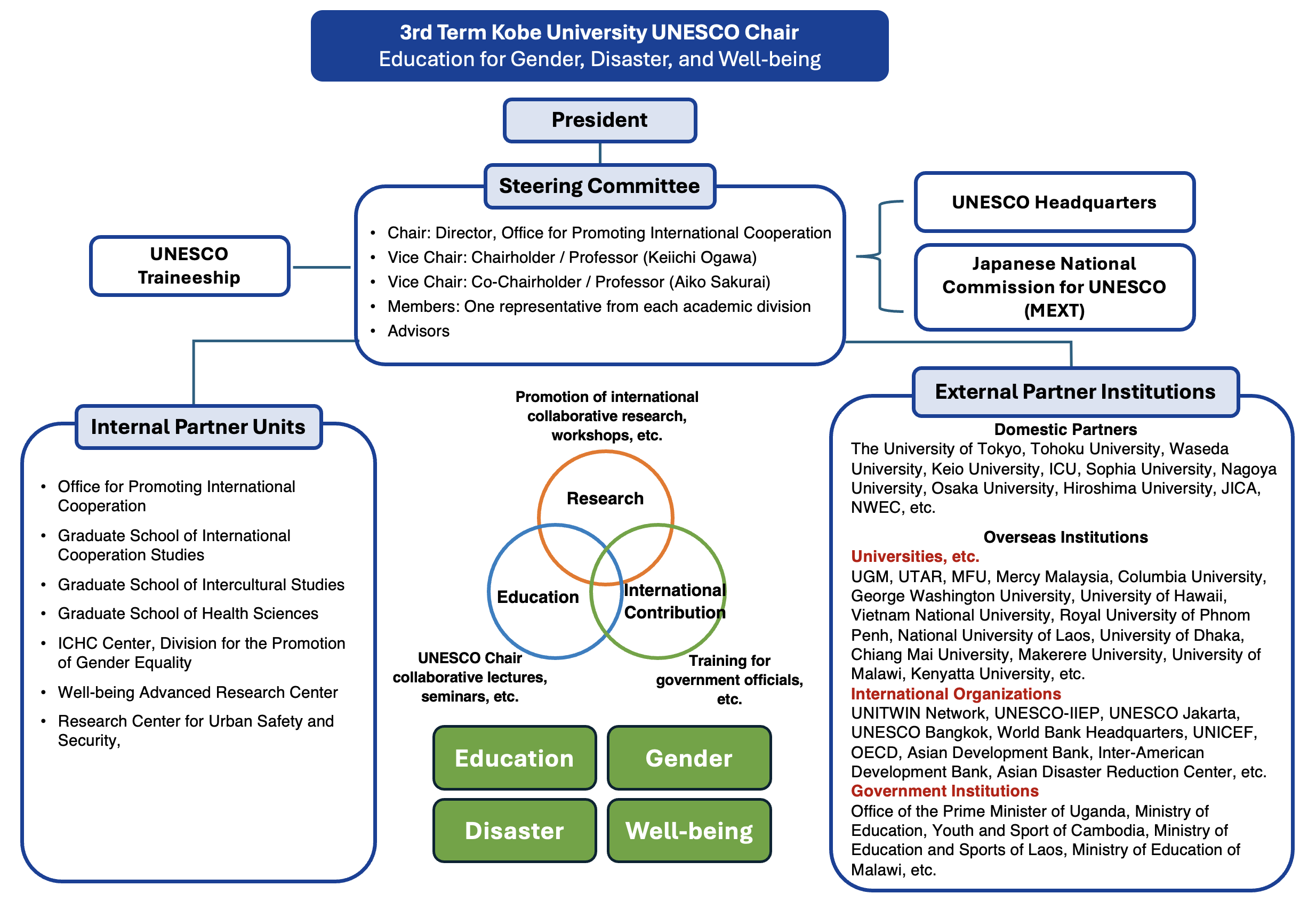
Management Organization
Greetings
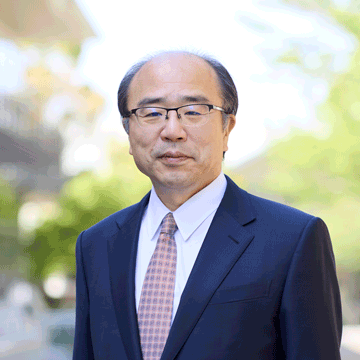
Kobe University President
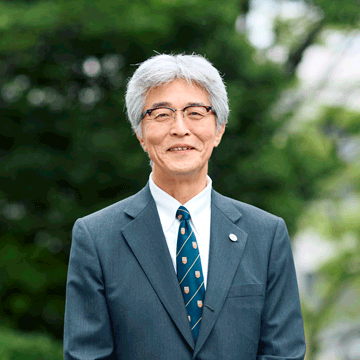
Executive Vice President
Director, Office for Promoting International Cooperation
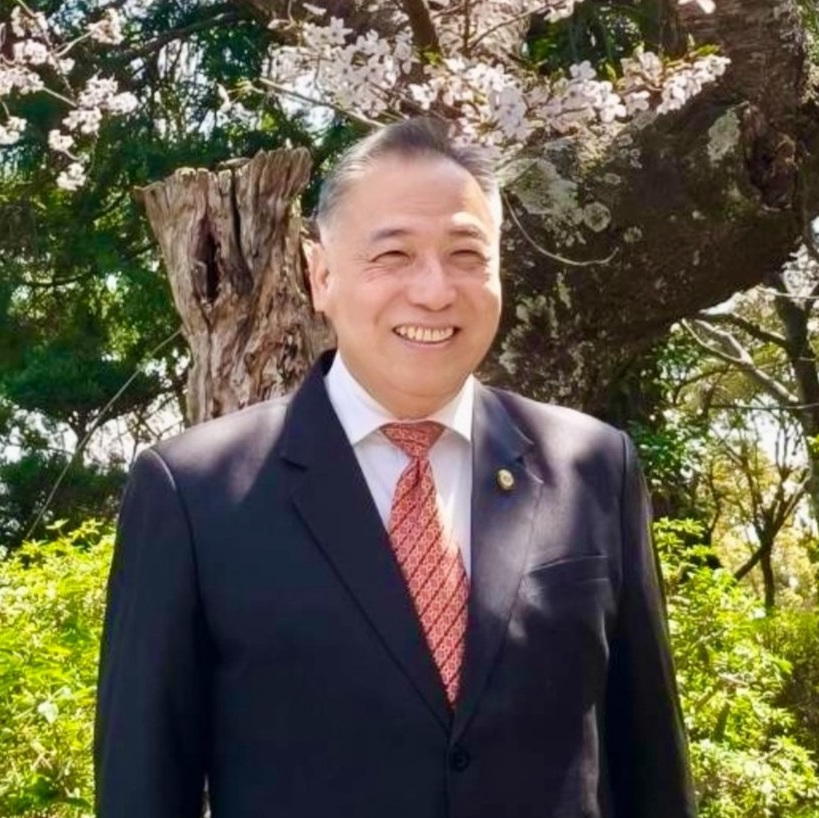
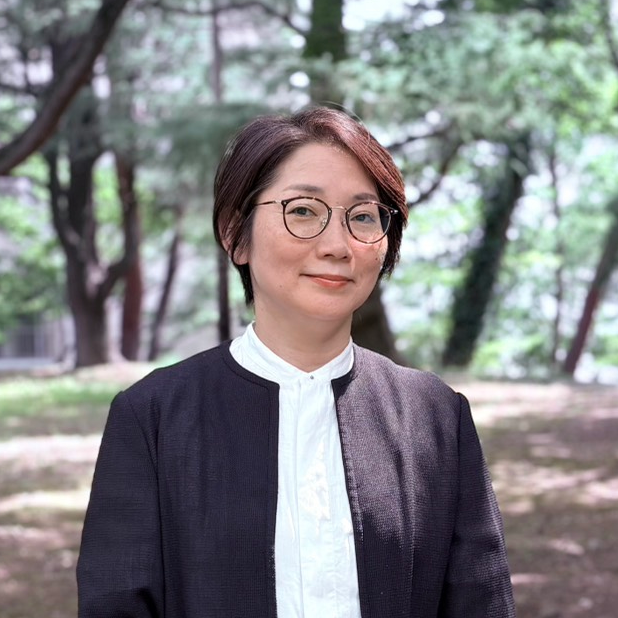
Co-Chairholder
Chairholders and Team Members
The Chair is led by Professor Keiichi Ogawa, Chairholder, and Professor Aiko Sakurai, Co-Chair. The Chair is supported by an interdisciplinary team with expertise in disaster resilience, gender, education, and well-being.
- Keiichi Ogawa — Chairholder
- Aiko Sakurai — Co-Chairholder, Disaster Resilience, Gender and Education
- Ronni Alexander — Advisor, Gender
- Tamiyo Kondo — Advisor, Disaster Resilience
- Minato Nakazawa — Advisor, Well-being
- Katsuki Sakaue — Member, Education
- Kexin Wang — Member, Education and Well-being
- Mizan Bisri — Member, Disaster Resilience
Partnerships
The Chair works with the following partner institutions and organizations:
- Domestic university: Tohoku University
- Overseas universities: Universitas Gadjah Mada, Universitas Syiah Kuala, Columbia University Teachers College, The George Washington University, University of Hawai‘i, National University of Laos, University of Dhaka, and Chiang Mai University
- International organizations: UNESCO Indonesia, World Bank, Asian Development Bank, and Asian Disaster Reduction Centre
- Government agencies: Ministry of Education, Youth, and Sport of Cambodia; Ministry of Education and Sports of Laos
Contribution to UNESCO Priorities
The Chair contributes to UNESCO’s mission by advancing inclusive and equitable quality education, promoting gender equality, and strengthening knowledge for disaster risk reduction and climate action. Its work is closely aligned with SDG 4, particularly education for sustainable development, as well as SDG 5 on gender equality, SDG 10 on reducing inequalities, SDG 11 on resilient communities, SDG 13 on climate action, and SDG 17 on partnerships.
By integrating disaster risk reduction, gender equality, and well-being into education, the Chair supports UNESCO’s broader vision of building peaceful, inclusive, and sustainable societies. Its distinctive contribution lies in connecting academic research, local knowledge, and community engagement to promote resilience through education.
Key Activities
The Chair’s activities include:
- Developing a shared research agenda on education, gender, disaster resilience, and well-being
- Organizing webinars, symposiums, and dialogue-based events
- Offering graduate-level courses and learning opportunities
- Conducting participatory research and community engagement
- Strengthening partnerships with universities and organizations in Japan and overseas
- Sharing knowledge through publications, websites, and multilingual outreach
Through these activities, the Chair aims to create a collaborative platform where students, educators, researchers, practitioners, and communities can work together toward more inclusive and resilient futures.